
How to Spot a Gift Card Scam Before You Lose the Funds
Criminals love gift cards — including prepaid network cards distributed by programs such as GiftCardMall and MyGift — because the funds are fast, traceless, and final. Learning four common patterns and one universal rule defeats the vast majority of attempts.
Almost Every Gift Card Scam Looks Like One of These
-
1. Impersonation calls
"This is the IRS / your utility / the police. Pay your fine in gift cards immediately or you'll be arrested." No real agency or business will ever ask for gift cards.
-
2. Prize and lottery fraud
"You won! Just pay the processing fee in gift cards." Real prizes never require you to pre-pay anything — let alone in gift cards.
-
3. Rack tampering
Criminals quietly photograph card numbers and PINs at retail racks, replace the packaging, and drain the value once you load it. Always inspect packaging before purchase.
-
4. Romance & relationship
Someone you've never met in person asks for "help" via gift cards. The pattern is the same regardless of the platform — the money never comes back.
"Real Bills Don't Get Paid in Gift Cards."
If anyone — caller, texter, emailer, or stranger online — asks you to pay using gift cards and read back the numbers, that interaction is a scam, full stop. There are no exceptions. Hang up, delete the message, walk away.
- The IRS does not accept gift cards.
- Utilities do not accept gift cards.
- Law enforcement does not accept gift cards.
- Tech support firms do not accept gift cards.
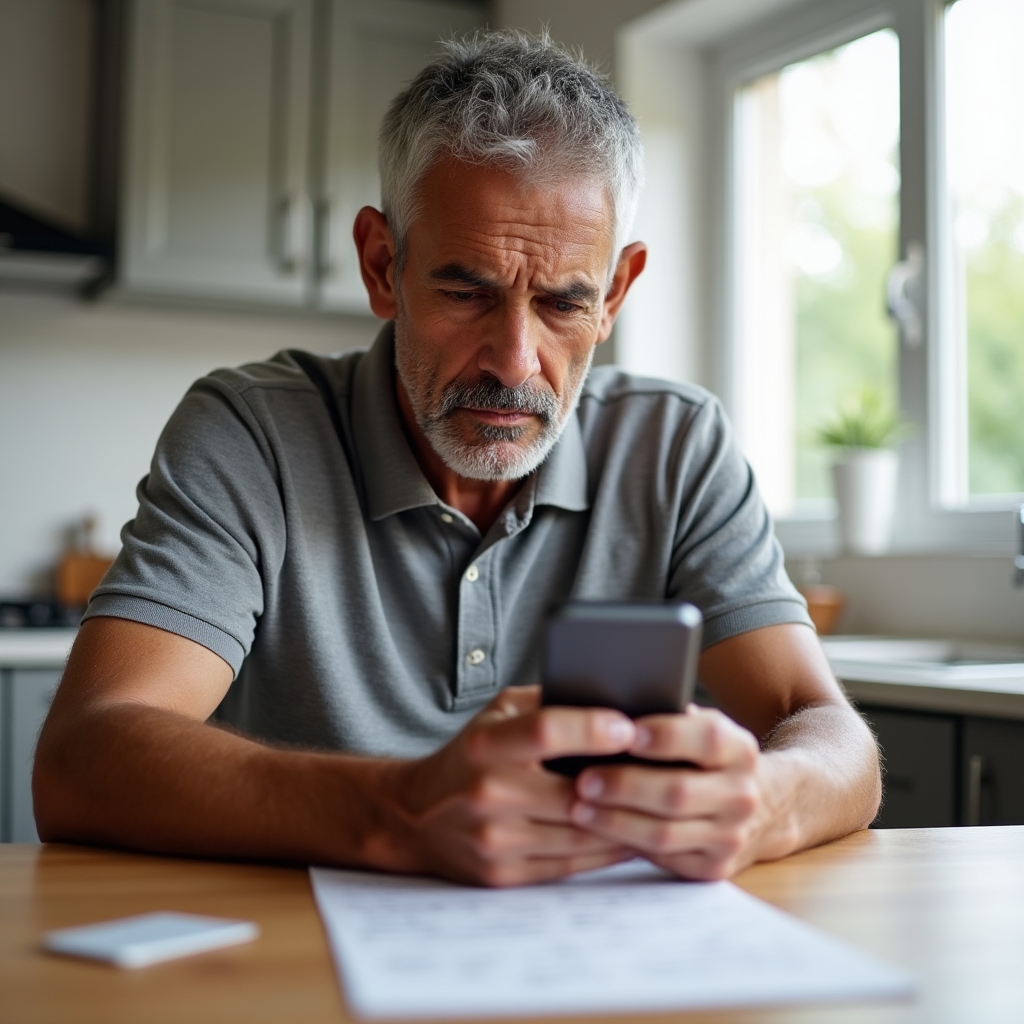
If you've already paid a scammer with a gift card
- Act fast. Some funds may be recoverable if the card has not yet been redeemed.
- Contact the card issuer. Use the number printed on your receipt or packaging. Provide the card number and explain the situation.
- Keep all evidence. Save receipts, screenshots, phone numbers, and the card itself.
- Report it. File a complaint with the FTC at reportfraud.ftc.gov, the FBI's IC3 at ic3.gov, and your state attorney general's consumer protection division.
Reducing risk before purchase
- Buy directly from a staffed register, not from open racks at the front of the store.
- Inspect packaging seams, scratch-off coatings, and barcodes for signs of tampering.
- Keep your receipt; it is the single most useful artifact if anything goes wrong.
- Activate cards immediately and check the balance the same day.
Sources & further reading
This page is informed by ongoing FTC consumer alerts and U.S. law-enforcement bulletins on gift card scams.