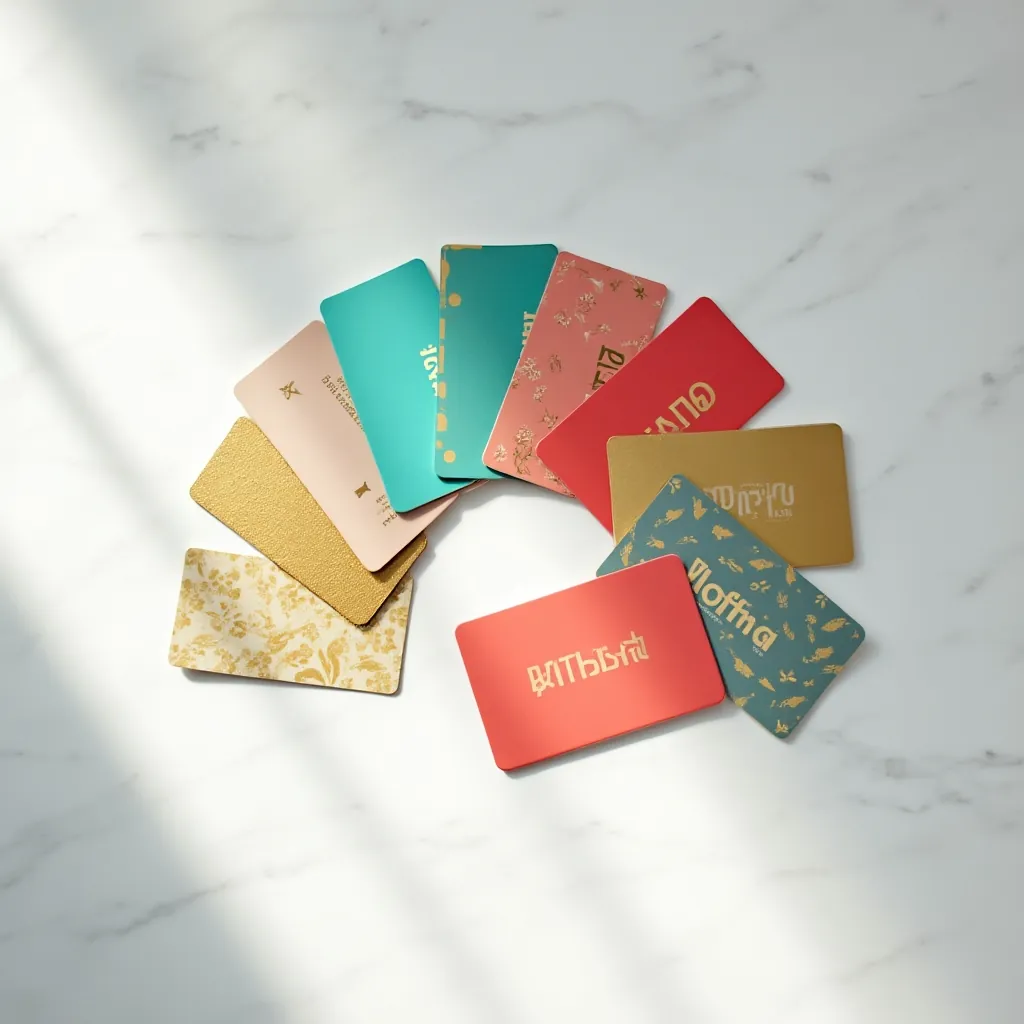
A US gift card is a prepaid stored-value product. When the card is purchased, the buyer pays the loaded value (and sometimes a small purchase fee) to a retailer. That money is held by the card issuer in a pooled account, and the card itself becomes a claim on a portion of that pool — either a single retailer’s store credit (a store-branded card) or a credit usable wherever a major payment network is accepted (an open-loop card such as a prepaid Visa or Mastercard).
Each card carries a unique 16-digit number, a security code, and on most cards a magnetic stripe or barcode. When the card is used, the merchant’s point-of-sale system asks the issuer in real time how much value remains, deducts the purchase amount, and the issuer updates the central record. Nothing is physically “loaded” onto the card itself — the card is a key to a balance held elsewhere.
That distinction matters in practice. It is why a balance can change without the card being touched (authorization holds, dormancy fees) and why a lost card can sometimes be replaced from issuer records even after it physically disappears.